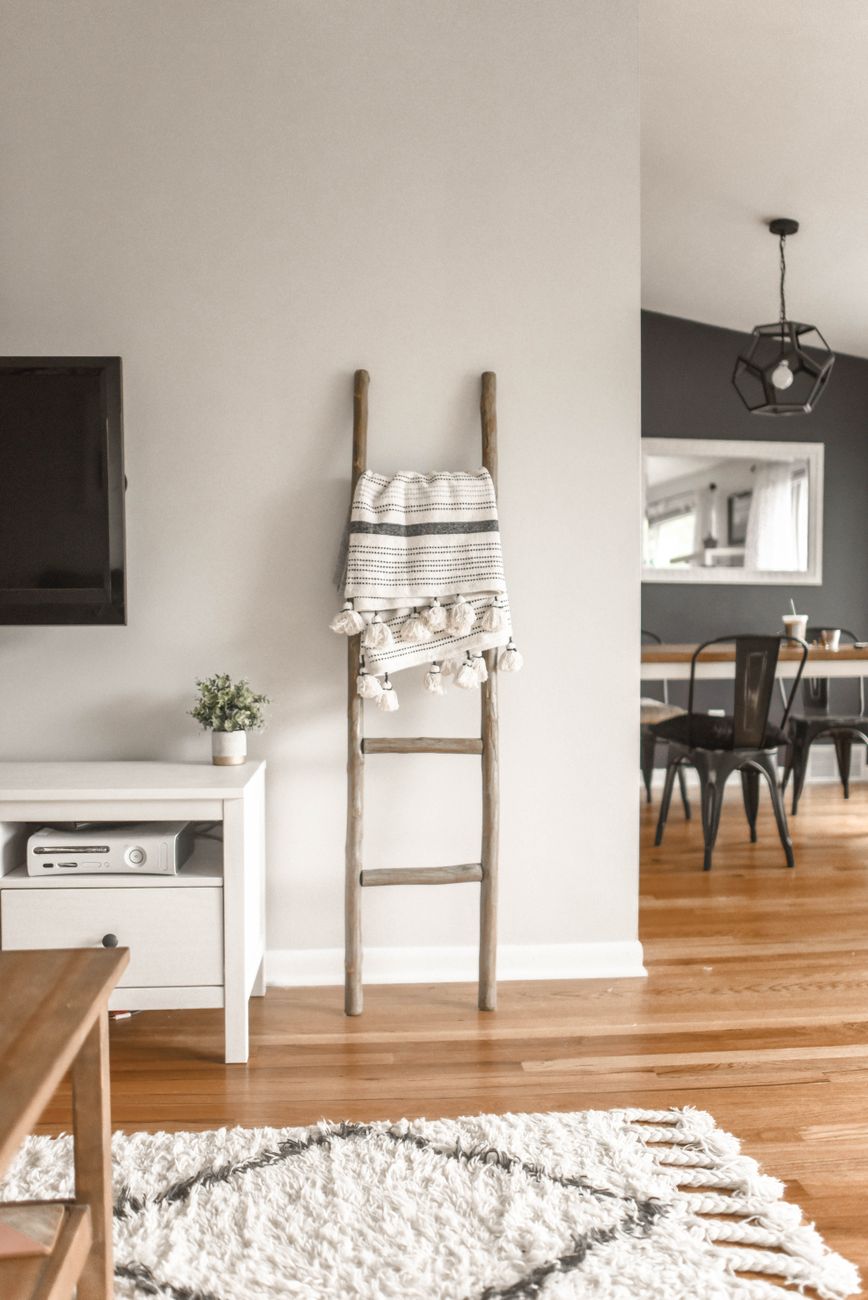
Virtual staging uses digital tools to add or restyle furniture and finishes in listing photos without touching the physical room. It is cheaper and faster than traditional staging, but it must be disclosed, and AI tools now let anyone try it on their own photos, not just agents preparing a listing.

What Virtual Staging Actually Means
Virtual staging is the process of digitally adding, removing or restyling furniture and decor in a photo of a room, without physically moving anything. An empty lounge room can be shown with a sofa, rug and coffee table added in software. A dated kitchen can be shown with new cabinetry finishes. The walls, windows and floor plan stay exactly as they are; only the styling changes on screen. This differs from photo editing tricks like colour correction or sky replacement, because virtual staging is specifically about depicting furnishings and finishes that do not exist in the room at the time the photo was taken. It emerged in real estate marketing in the 2010s as software made it cheaper to insert 3D furniture models into empty listing photos, and it has since expanded well beyond agents, into a tool anyone can use to picture a room differently before they buy, renovate or rent.
How It Differs From Traditional Home Staging
Traditional home staging involves a stylist physically bringing furniture, art and soft furnishings into a property, then photographing the real result. It typically costs thousands of dollars and takes days to set up and remove. Virtual staging skips all of that: a photo of an empty or lived-in room is digitally furnished or restyled in hours rather than days, at a fraction of the cost. The trade-off is that virtual staging only exists in the image; a buyer who walks through the property still sees the empty room. That is precisely why disclosure matters so much, and why regulators and industry bodies increasingly expect virtually staged photos to be clearly labelled as such, so buyers are not misled about what they will find in person. For sellers weighing up the two, the practical difference is usually simple: staging sells the room you will walk into, virtual staging sells the room you can imagine.
The Technology Behind Modern Virtual Staging
Early virtual staging relied on manually dropping pre-modelled 3D furniture into a photo, which took a trained designer real time per image. Newer AI-driven tools instead analyse the geometry of a room, the position of walls, windows and light, and generate a fully restyled version of the same space in a chosen aesthetic. This is the same underlying idea covered in our guide to how AI room redesign actually works, where a photo is reimagined in a new style while the real proportions of the room are preserved. The result is a redesign that looks native to the room, because the software is working from the room’s own geometry rather than pasting in generic assets. Tools like House Design AI apply this to any room a person uploads, whether it is a listing photo, a phone snap of their own lounge, or an inspiration shot from a rental they are considering.
Who Actually Uses Virtual Staging
Virtual staging was built for real estate agents marketing vacant properties, and that use case remains large. But the audience has widened considerably. Buyers use it to see past a current owner’s dated furniture before making an offer, testing whether a room’s bones support the style they actually want. Homeowners use it to trial a kitchen or living room in two or three styles before committing to a renovation quote. Renters, who cannot repaint or renovate, use it to work out whether new lighting, a rug or a different colour palette would change how a room feels, without touching a single wall. In each case the appeal is the same: seeing a believable version of the room before spending money, time or a tradie’s quote on the real thing.
Cost and Time: The Numbers That Matter
Traditional physical staging for a single room commonly costs several hundred to a few thousand dollars depending on market and scope, plus the logistics of delivery and removal. Virtual staging services historically charged per image, with digital furniture added to a single photo. Newer AI apps have compressed this further: House Design AI works on a credit model, with a full room restyle costing 10 credits and a smaller targeted edit costing 5 credits, with the exact cost shown and confirmed before anything runs. There is no subscription, credits do not expire, and results appear individually so every version stays in the user’s history for comparison. That structure matters for people testing multiple styles: instead of paying per finished image at full staging rates, they can try a Hamptons look, then a Japandi one, and keep whichever version fits before spending further.
Disclosure, Ethics and Trust
The single most important rule in virtual staging is disclosure. Real estate marketing standards in most markets require that digitally staged or altered photos be clearly labelled as virtually staged, so buyers understand the furniture or finishes shown are not physically present. The National Association of Realtors, for example, addresses virtual staging directly in its guidance on photo editing standards for listings, and most multiple listing services require similar disclosure. This is less about legality and more about basic trust: a buyer deciding whether to inspect a property, or an offer they are prepared to make, should never be misled about what they will actually see. Tools built around this principle, including House Design AI, are explicit that every generated image is an edited visualisation, not a record of the property’s current state, and that walls, windows and proportions are preserved even as styling changes.
Getting Good Results From Your Own Photos
Good virtual staging results start with a good source photo: even, natural lighting, a straight-on angle, and a room photographed with as little clutter as possible. From there, the process is straightforward. Upload the photo, choose a style from a curated catalogue such as Hamptons, Coastal, Japandi, Scandi, Mid-century or Contemporary, and refine the result with a short text prompt like
warmer floors, keep the rug.
Each version generated is kept in history, so it is possible to compare options side by side or return to an earlier result rather than starting over. This matters most for renovation planning, where seeing three finish options against the same room, rather than three disconnected mood boards, makes the decision genuinely easier. Anyone wanting to try this on a property they are inspecting, a rental they are considering, or a room they already own can start with a free web app or mobile app rather than committing to a full staging quote first.
Frequently Asked Questions
Is virtual staging legal for real estate listings?
Yes, virtual staging is legal, but it generally must be disclosed as digitally staged so buyers know the furniture or finishes shown are not physically in the property. Most listing platforms and industry bodies require this labelling as standard practice.
How much does virtual staging cost compared to real staging?
Traditional physical staging often costs hundreds to a few thousand dollars per room, plus delivery and removal logistics. AI-driven virtual staging is typically far cheaper and faster, with some tools like House Design AI using a pay-per-credit model instead of ongoing staging fees.
Can virtual staging change the size or layout of a room?
No, genuine virtual staging keeps the real walls, windows and proportions of a room intact and only changes furniture, finishes and styling. Any tool that alters the actual dimensions of a space is not virtual staging in the accepted sense.
Can I virtually stage my own home, not just a listing?
Yes, virtual staging tools are no longer limited to agents marketing vacant properties. Homeowners, renters and buyers can upload their own photos to trial different styles before renovating, decorating or making an offer.
Do I need professional photos for virtual staging to work well?
Better lighting and a straight-on angle produce better results, but professional photography is not required. A clear, well-lit phone photo of a tidy room is usually enough for AI-driven virtual staging tools to work from.
Written by the House Design AI team
Every guide is written by the people building House Design AI and checked against what the app actually does before it is published. When the app changes, the guide is updated and the date above moves.
See every feature