Key takeaways
- Pick three styles, not one. The third one, the style you would never have chosen, is the one that tells you what the apartment can actually carry.
- Run every room, including the photos that look bad. The rooms that photograph worst are the ones the styling is working hardest to hide.
- The tie-breaker is not which version is prettiest. It is which version needed the least changed to feel finished.
- Know the cost before you start. A full restyle is 10 credits per room per style, and you see the cost before anything runs.
Every listing photo is an argument. Someone chose the lens, the hour of the day and the furniture, and all three are working on you. So when you walk into an apartment and feel nothing much, it is genuinely hard to tell whether the place is wrong or whether the styling is.
That gap matters more than it sounds. It is the difference between walking away from a good apartment because the previous owner liked brown, and paying over the odds for a photogenic one that will look ordinary the day the rented furniture leaves. The fix is not more inspections. It is seeing the same rooms in a few different styles before you decide, so you know what you are reacting to.
Here is the method. It takes about twenty minutes, and most of that is waiting.
Why three styles, not one
One style is a guess. You pick the look you already like, you run it, and the result agrees with you, because you asked a question you had already answered. Two styles is a coin toss between two versions of your own taste.
Three is where something useful happens. Make the third one a style you would never have chosen, and it stops being a mood board and starts being a test. Sometimes the odd one out is clearly wrong, and now you know why: the ceilings are too low for it, or the light is too warm, or the room is too narrow to carry that much furniture. Sometimes it is quietly the best of the three, and that is worth knowing before you bid.
The first style tells you what you like. The third tells you what the apartment likes. House Design AI team
The reason this works is that the architecture does not move. Walls, windows, doors and proportions stay exactly where they are. Only furniture, finishes and styling change. So the difference between your three versions is never a different apartment, it is the same apartment wearing three different sets of surfaces, and any version that still feels cramped or dark was telling you something about the room rather than about the palette.
Step 1: pick your three
Bring the space in first. On the web, save the photos from the listing and upload them: 20 at a time, up to 50 for a single space, which is more than almost any listing carries. Sharing a listing straight from the property app on iPhone, iPad and Android is coming soon, so the photos will come across without the saving step.
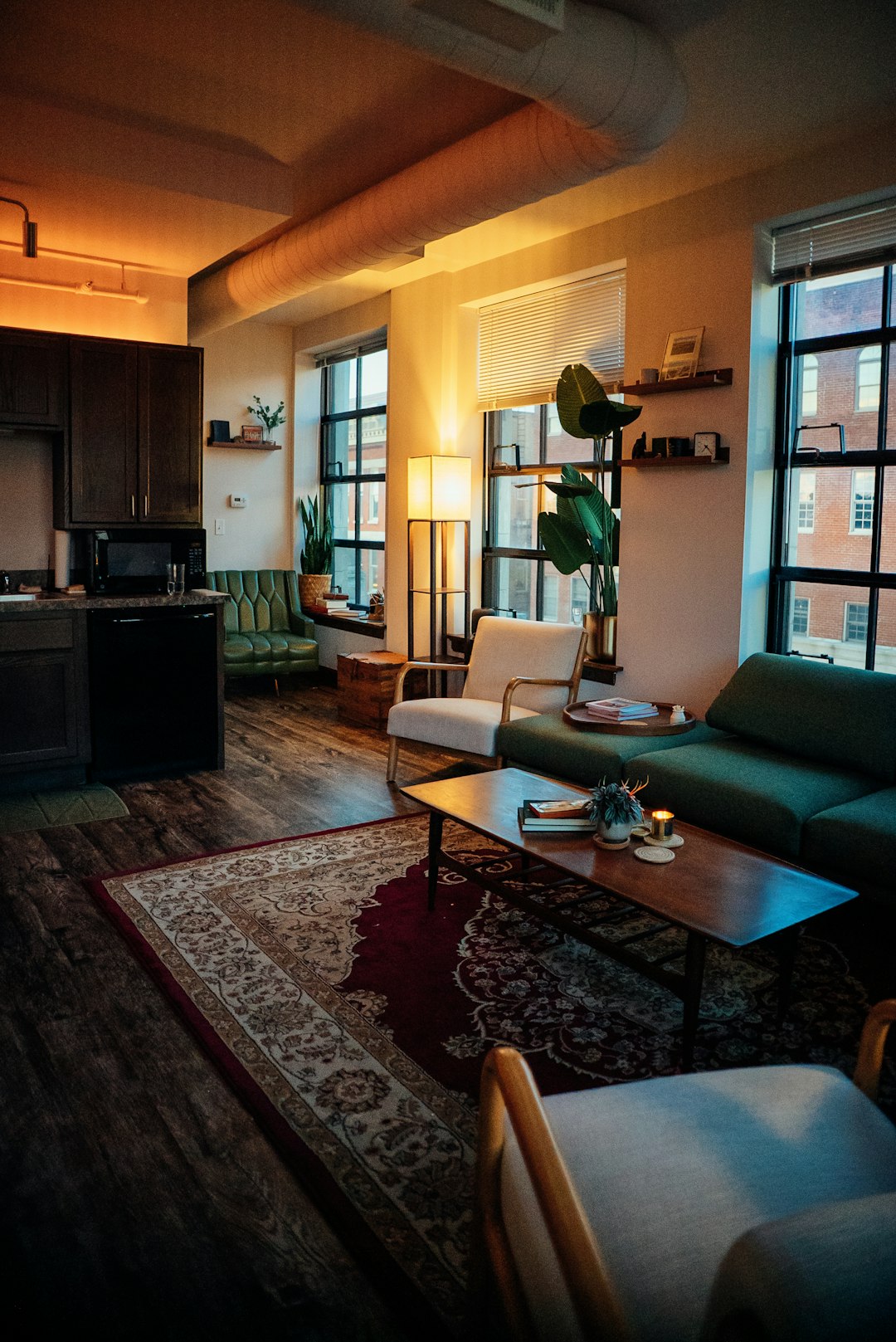
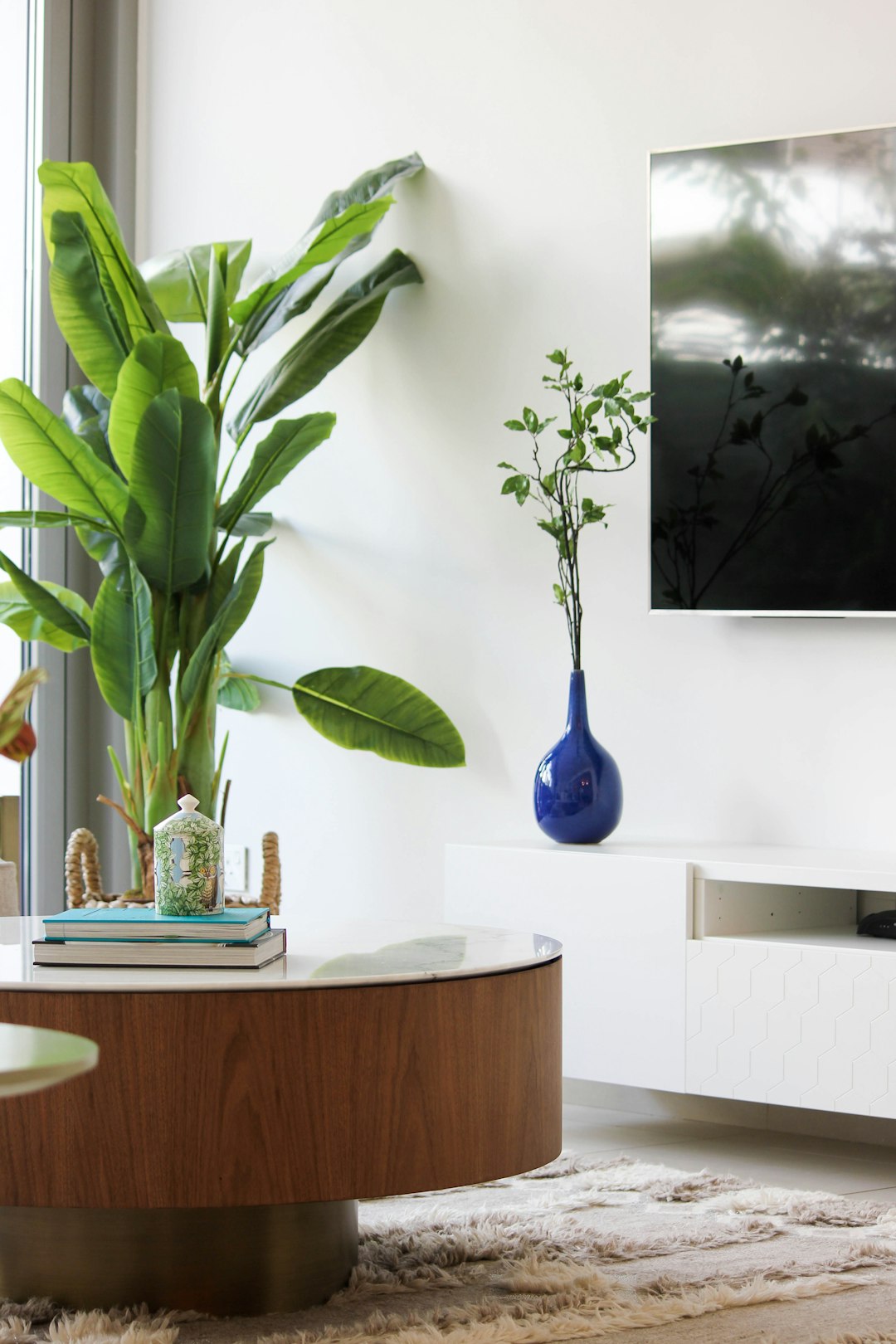
Then pick your styles from the six presets: Hamptons, Coastal, Japandi, Scandi, Mid-century and Contemporary. A rule of thumb that has served us well is one you love, one that suits the light the apartment actually gets, and one you would never pick. North-facing and bright can carry Japandi or Mid-century without feeling gloomy. A south-facing lounge usually wants the paler end: Coastal, Scandi, Hamptons.
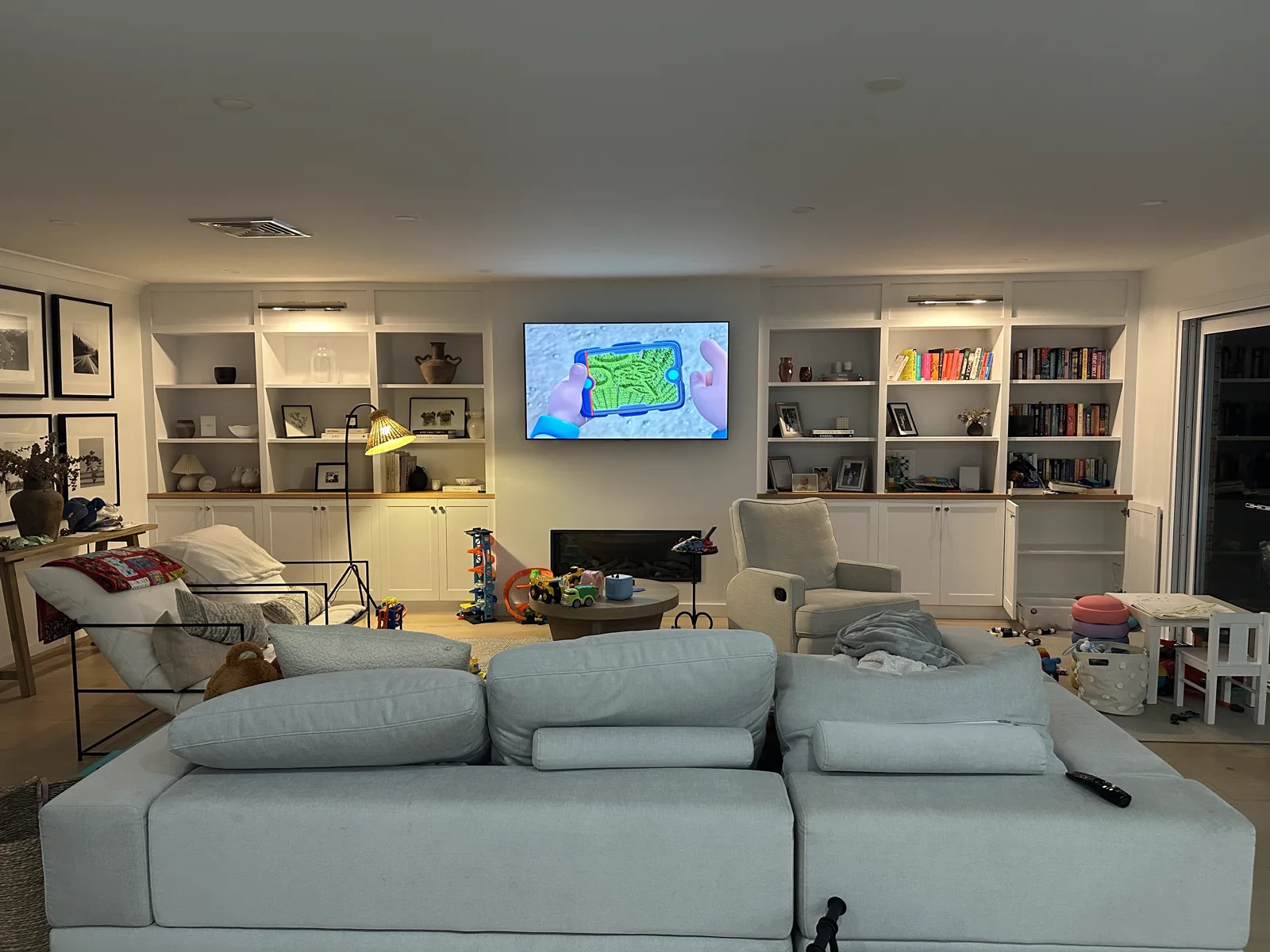
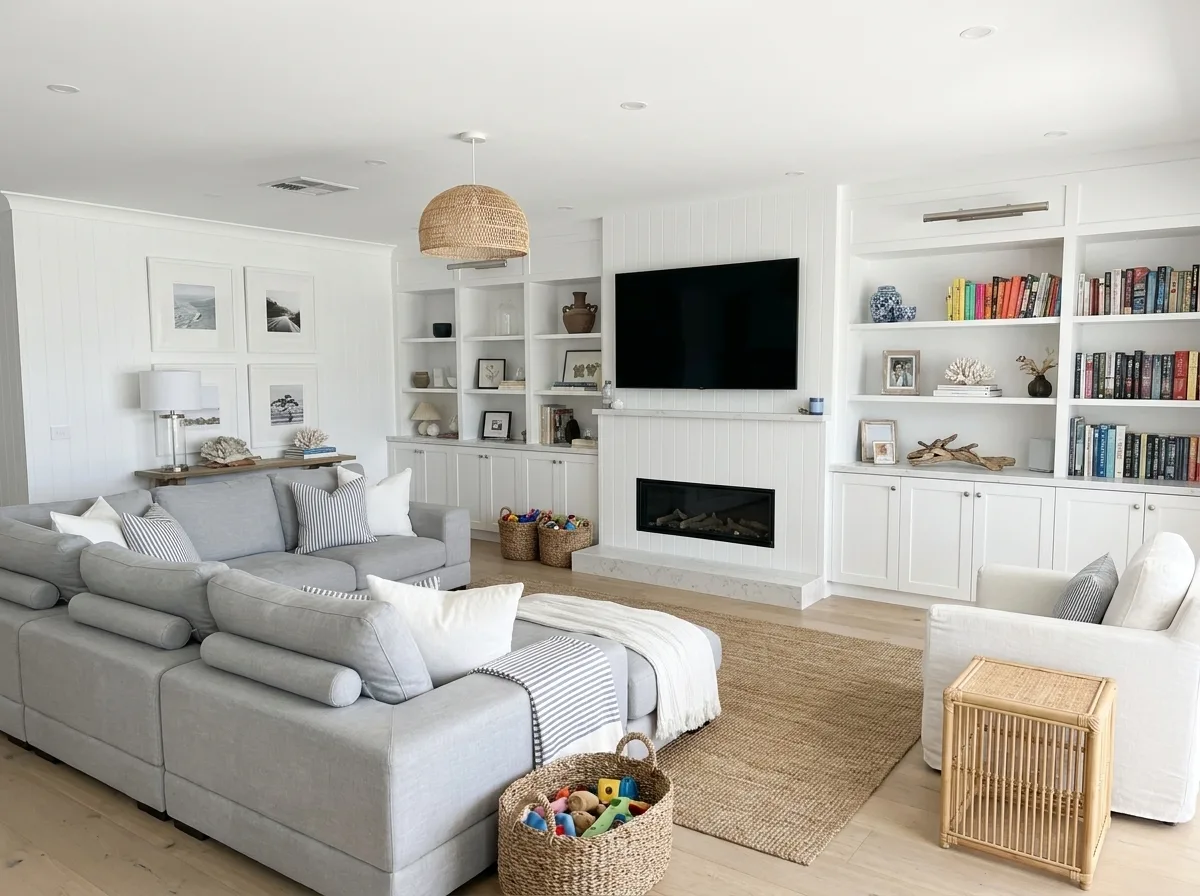
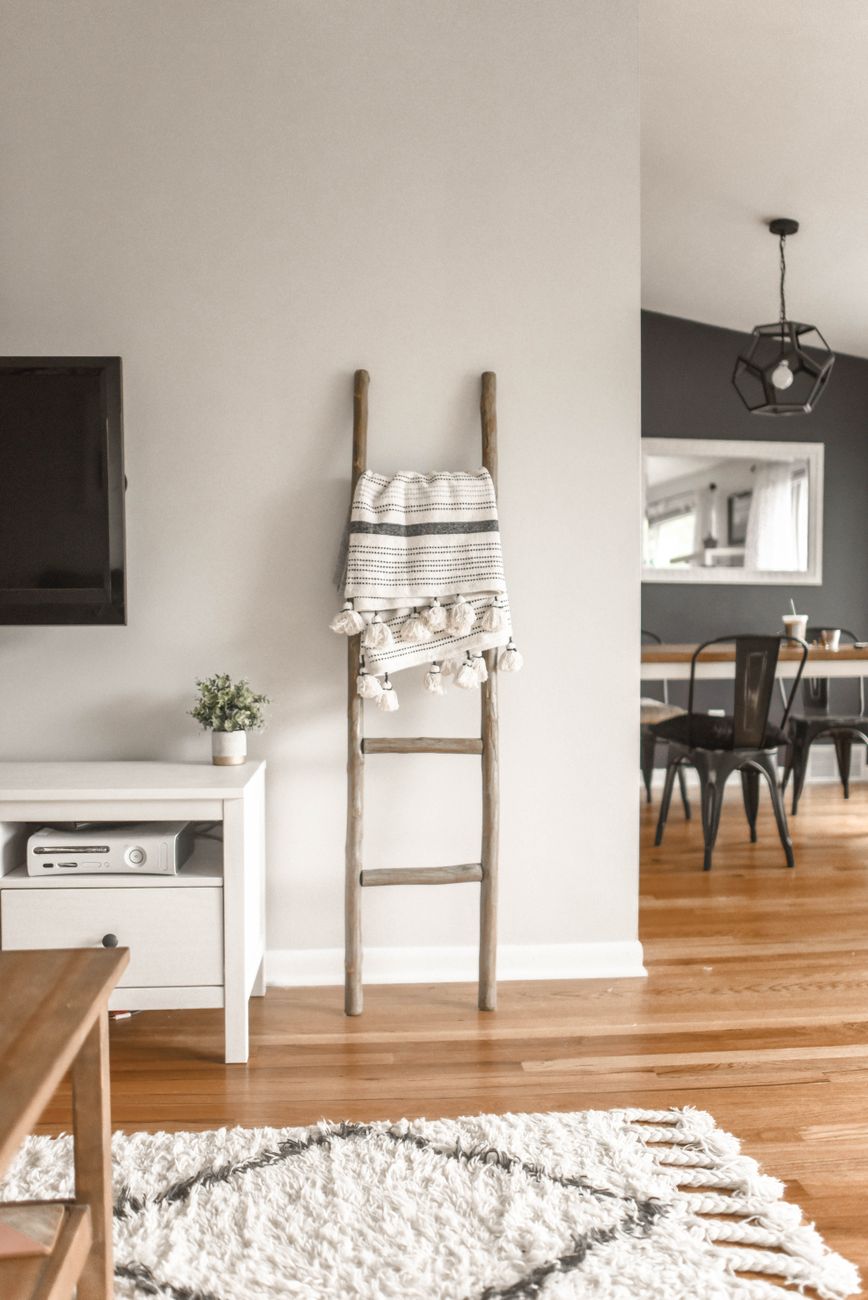
Look at what stayed. The built-in shelving is in the same place, the fireplace is the same fireplace and the TV is still on the same wall. What changed is the wall treatment, the flooring, the sofa, the rug and the lighting. That is the honest version of the room, which is exactly what you want when you are deciding whether to spend a decade of your life paying it off.
None of the six presets is a locked box, either. You can edit one and save it as your own, add up to three reference images if you have a room you keep coming back to, and nudge a version with a few words if it is close but not right.
Step 2: run every room
The temptation is to run the hero shot and stop. Do the opposite. Run every room, and pay particular attention to the photos that look bad, because those are the ones the styling was working hardest to hide. The dim bedroom shot at the end of the gallery is not there by accident.
The kitchen
The kitchen is the room where seeing a version matters most, because it is the most expensive room in the place to change your mind about later.
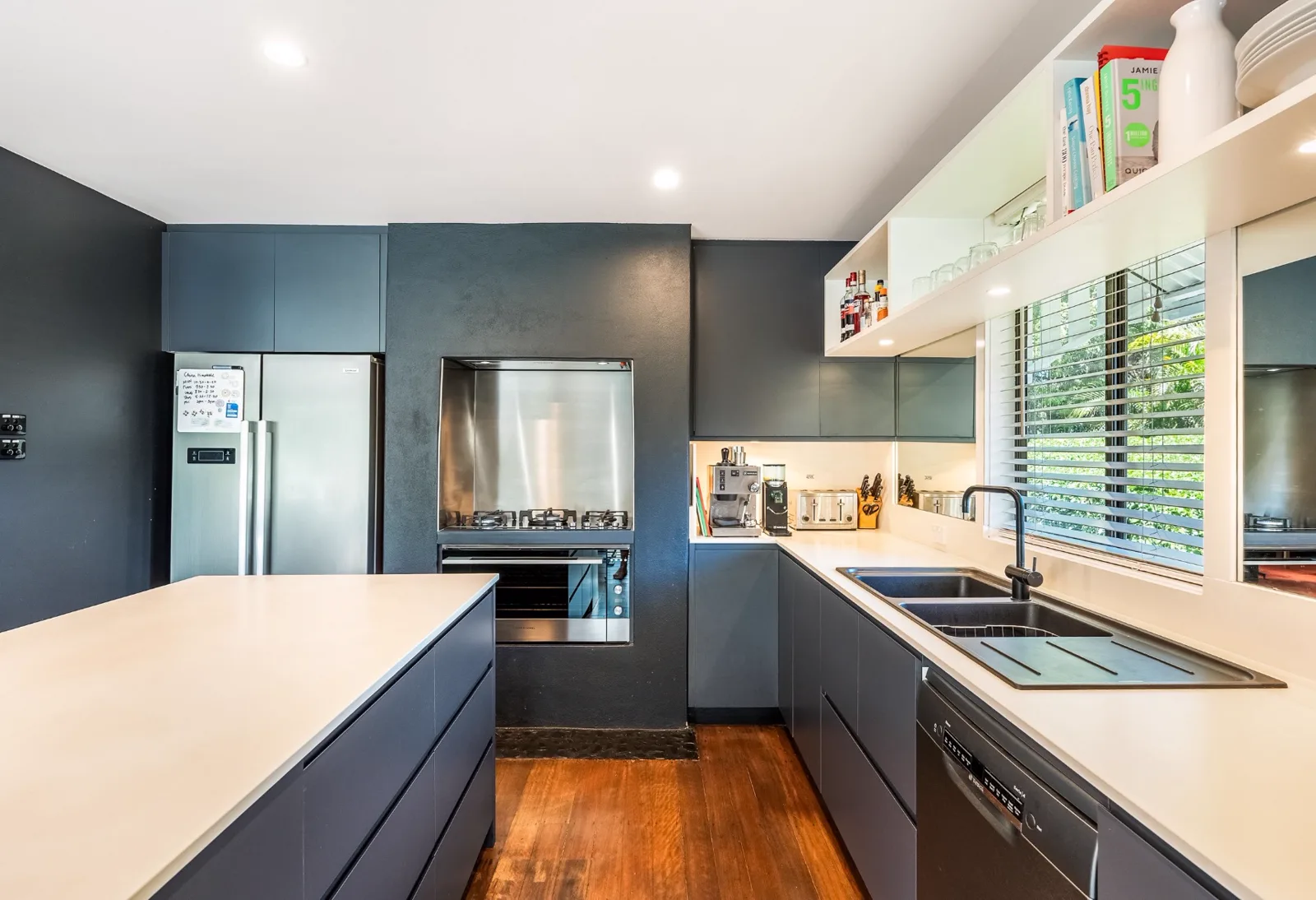
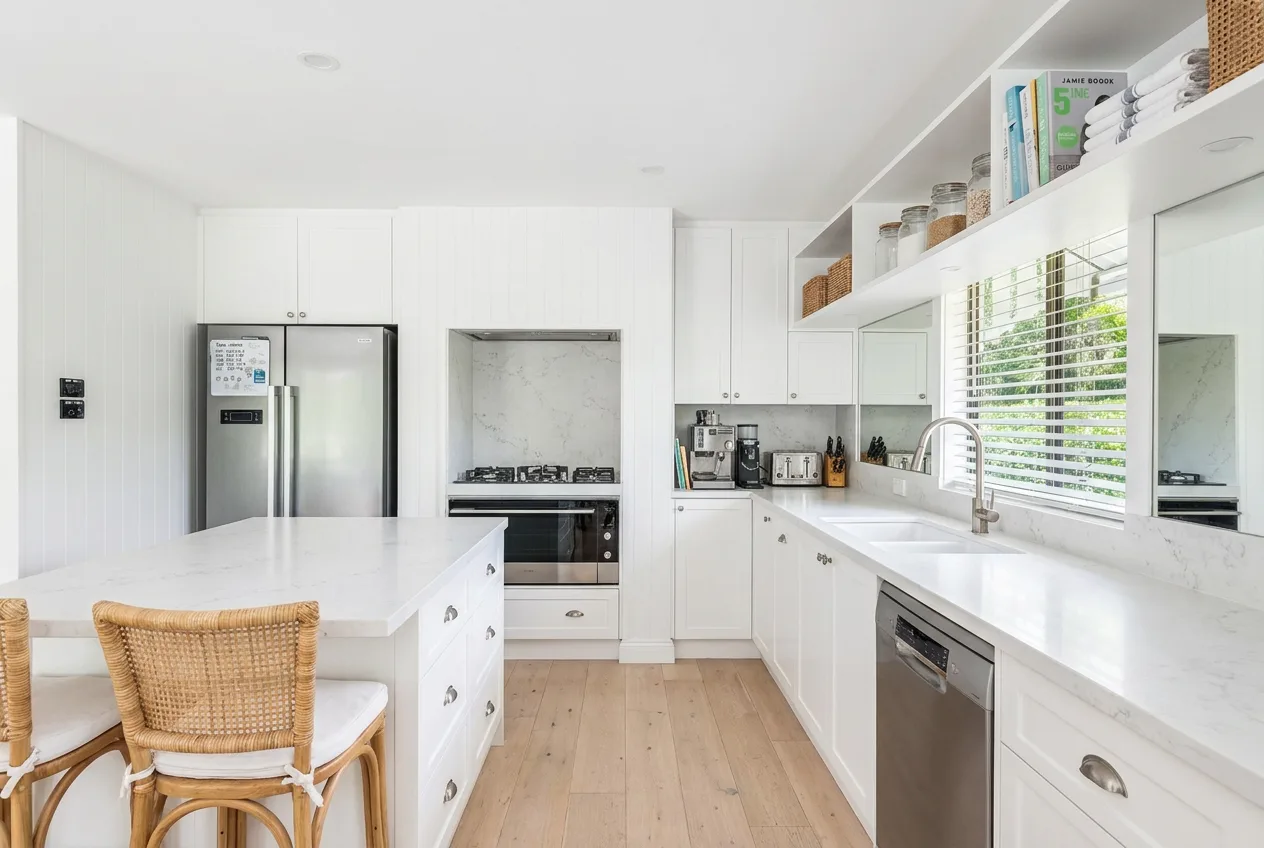
The layout is identical on both sides of that slider. Same island, same oven in the same recess, same window over the sink, same dishwasher. The cabinetry colour, the benchtop, the splashback, the floor and the styling have all changed, down to the wall panelling, the white sink and tap, and the rattan stools pulled up to the island. That is the useful comparison, because it separates two questions that are very easy to confuse at an inspection: is this kitchen badly laid out, or is it just dark. The first is expensive. The second is paint and a benchtop.
The bathroom
The bathroom usually decides it. It is small, so a single decision covers most of the visible surface, and it is the most expensive room per square metre to change. Run it in all three styles and watch what happens to the tiles. If every version needs the tiling replaced to look like anything, you have found a real cost, and that belongs in your offer rather than in a nasty surprise eighteen months from now.
Upload the listing photos, get every room back Save the photos from the listing and upload them on the web or in the app.
Try a listingStep 3: the tie-breaker
Now you have three versions of each room and no obvious winner, because they all look better than the listing. This is where people stall.
The question that breaks the tie is not which version is prettiest. It is this: which version needed the least changed to feel finished. Count it honestly, room by room. If the Hamptons living room only works once the floor, the walls and the joinery are all different, that is a full renovation wearing a nice photo. If the Japandi version got there with new flooring and a coat of paint, that is a weekend and a quote.
You can test this directly instead of guessing. Every version you run is kept, and you can redesign again from any of them, so take your front-runner and try the smaller moves: change the flooring, change the wall colour, empty the room to see the bones, remove an object that is doing too much work in the frame. Those targeted edits cost less than a full restyle, and they answer the question that actually matters, which is how much of this place you would have to change.
Add a few words when you need to steer it. Something like keep the rug but warm up the floors is enough. The version history keeps every attempt, so you can put the three finalists next to each other and see them all rather than trying to remember the good one.
What it costs in credits
Nobody enjoys a pricing section, so here are the numbers plainly.
A full restyle, which is any Redesign or Refresh of a whole room, is 10 credits. A targeted edit, which covers change flooring, change wall colour, remove object, empty room, landscaping and touch-up, is 5 credits. That makes it easy to price the whole method on your kitchen up front.
Scaled up, three styles across six rooms is 180 credits. That is a lot for a place you have seen once, which is why most people run the two rooms that matter first, usually the kitchen and the main living space, for 60 credits, and only go wider on the listing that survives that.
A few things worth knowing. The cost is always shown before anything runs, so nothing is ever spent without you agreeing to it. If a generation fails for a technical reason, the credits come straight back to your balance. Trying again because you want a different result is a fresh generation rather than a free retry, which is why the three-style method is a better use of credits than running the same room ten times. There is no subscription. Packs are bought in the iOS and Android app, and the balance is shared with the web app, so credits you buy on your phone are there when you sit down at a laptop. They never expire, which means an unsuccessful auction is not a wasted purchase. The next place will need them.
Questions people ask
Can I visualise a listing I have not inspected yet?
Yes. All you need are the photos. Save the images from the listing and upload them, and House Design AI works from those. Seeing a place in a few styles before the inspection is a good use of a Saturday morning, because you walk in already knowing which questions to ask about the light, the layout and the condition of the surfaces.
Do the redesigns change the floor plan?
No. Walls, windows, doors and proportions are kept exactly as they are in the photo. What changes is furniture, finishes and styling: flooring, cabinetry, paint, benchtops, rugs and lighting. That is deliberate, because the point is to see the room you would really be buying, not a different one.
How many credits does three styles across six rooms take?
A full restyle is 10 credits, so three styles across six rooms is 180 credits. Most people run the two rooms that matter most first, usually the kitchen and the main living space, then buy a pack for the rest once they know the place is worth it.
Written by the House Design AI team
Every guide is written by the people building House Design AI and checked against what the app actually does before it is published. When the app changes, the guide is updated and the date above moves.
See every feature